
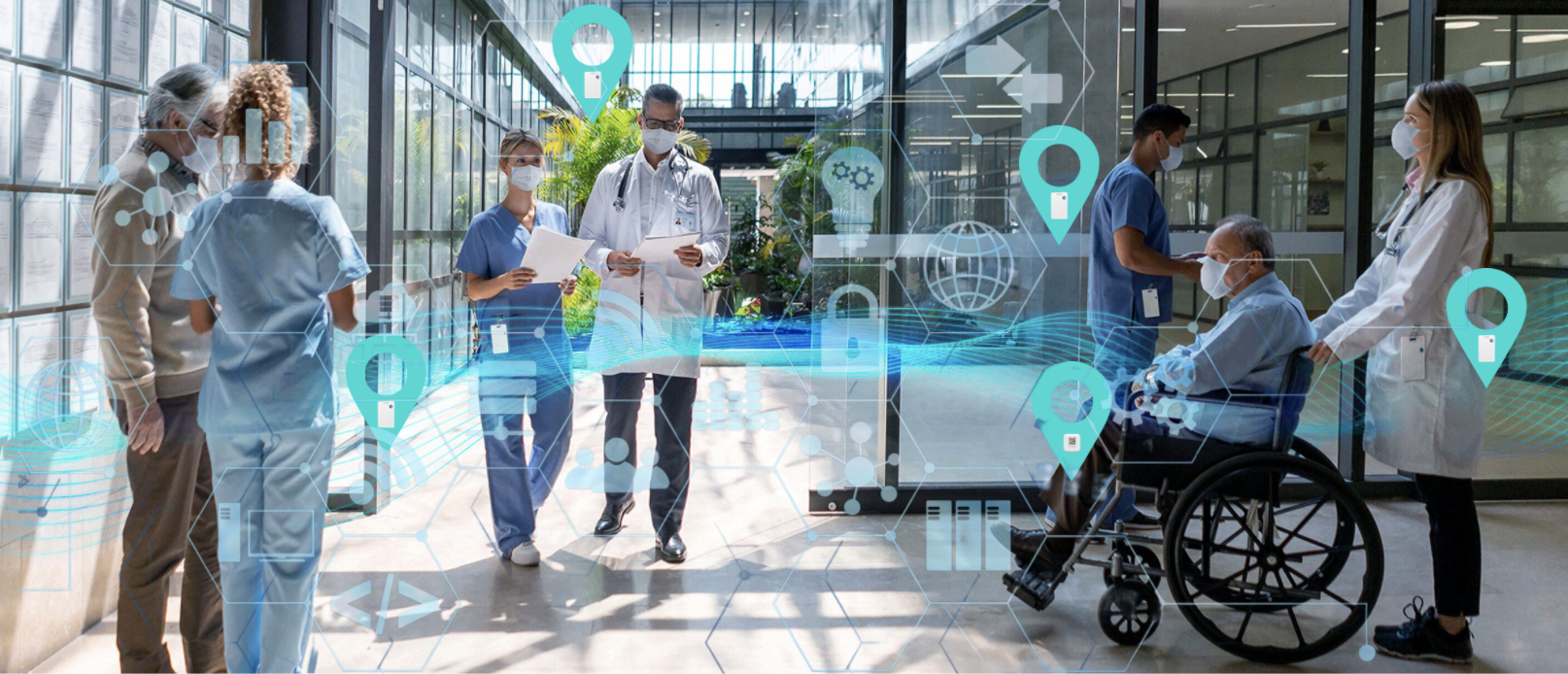
Healthcare systems are under increasing pressure to improve operational efficiency, maximize equipment utilization, and deliver consistent, high-quality patient care. Yet one of the costliest and most overlooked challenges hospitals face is unexpected equipment downtime. Real-Time Location Systems (RTLS) are a critical technology that enables hospitals to shift from reactive maintenance to predictive maintenance, using real-time data to prevent failures before they occur.
Turning Real-Time Data Into Predictive Insights
Predictive maintenance powered by RTLS allows healthcare organizations to monitor the real-time status, location, and utilization of critical assets across the hospital. Instead of relying on rigid maintenance schedules or waiting for equipment to fail, RTLS provides actionable intelligence into how devices are actually being used. By tracking movement patterns, idle times, and environmental conditions, hospitals can identify early signs of wear, misuse, or irregular performance. This level of visibility not only reduces unplanned downtime but also extends asset longevity, lowers repair costs, and ensures vital equipment is always available when clinicians need it.
Reducing Waste, Rentals, and Excess Spending
The impact of RTLS-enabled predictive maintenance extends beyond the biomedical departments, it touches every clinical workflow. Hospitals often over purchase equipment to compensate for perceived shortages, when in reality, poor visibility and misplacement drive unnecessary rentals and excess spending. With RTLS delivering accurate utilization metrics, health systems can right-size their inventory, reduce fleet redundancy, and prevent the costly cycle of renting equipment that is actually sitting idle. For high-demand assets like infusion pumps, ventilators, and specialty beds, RTLS ensures real-time readiness, automatically alerting teams when devices require cleaning, recharging, or servicing.
Enhancing Safety, Compliance, and Maintenance Automation
Implementing predictive maintenance through RTLS also enhances hospital safety and compliance. Asset-related failures can lead to delayed care, safety risks, and regulatory issues. By integrating RTLS data with a hospital’s CMMS or biomedical management system, maintenance workflows can become fully automated. Equipment nearing service thresholds triggers alerts, work orders can be generated instantly, and service teams can prioritize repairs based on real-world usage instead of static timelines. This not only streamlines operational efficiency but also creates a safer, more reliable care environment—an essential priority for hospitals seeking to improve quality scores and accreditation readiness.
A Strategic Path Toward the Connected Hospital
As hospitals continue to embrace digital transformation, RTLS-powered predictive maintenance is proving to be an essential strategy for reducing cost, improving workflows, and driving operational excellence. With the convergence of RTLS, IoT sensors, and intelligent analytics, healthcare organizations can transition from reactive asset management to a proactive, data-driven model that eliminates downtime and supports better patient outcomes. For forward-thinking health systems, implementing predictive maintenance is not just an efficiency upgrade—it’s a competitive advantage in the future of connected, intelligent healthcare delivery.